Expert Guide for Ancaster General Contractor
Finding the Right General Contractor: Tips for a Successful Home Renovation
Identifying the ideal home renovation professional is vital for a productive home renovation. Property owners often experience challenges in identifying competent contractors. Defining renovation goals is the initial step. Following this, they must research various channels to identify reputable contractors. Critical credentials and proper communication serve vital functions in the hiring process. As homeowners commence on this undertaking, understanding key elements can lead to thoughtful decisions. What comes next may define the whole renovation outcome.
Begin by Clarifying Your Renovation Objectives
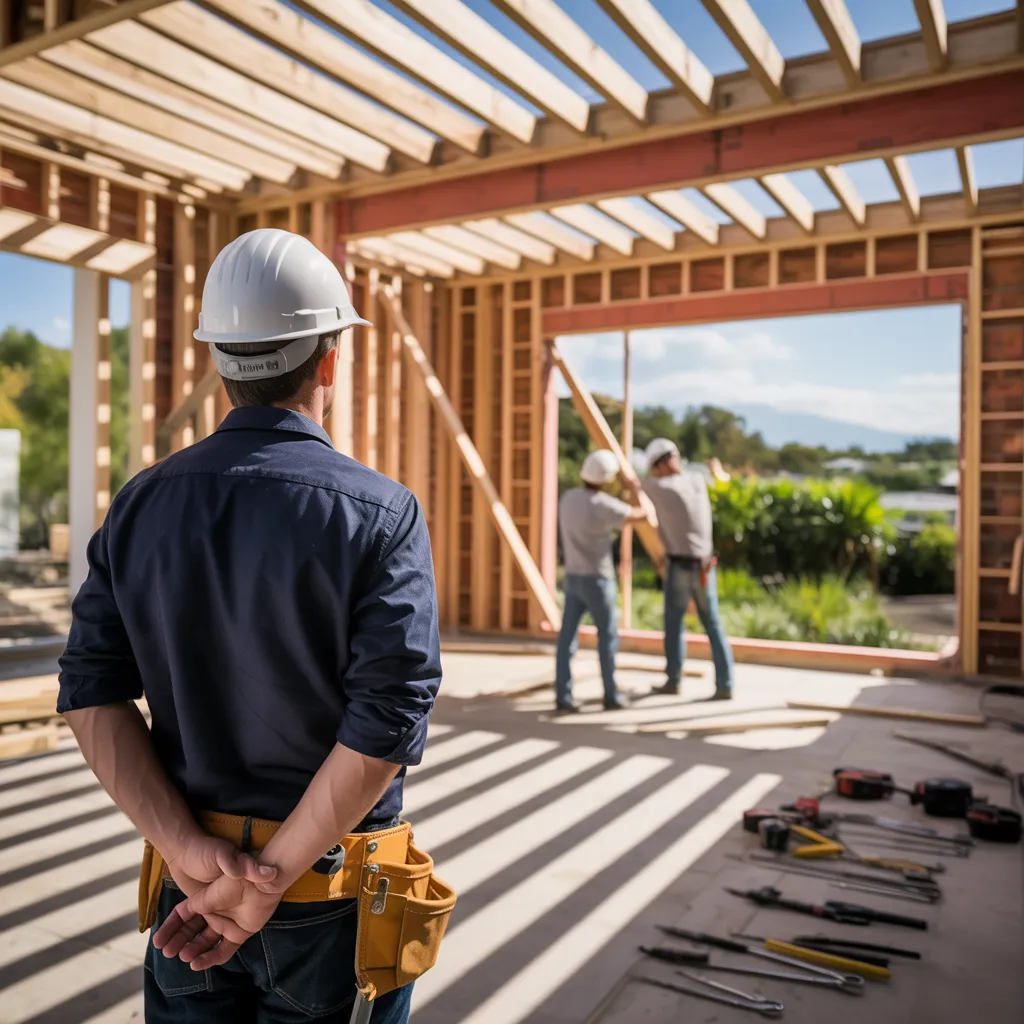
When embarking on a renovation project, setting well-defined goals is vital for achieving success. It enables homeowners to articulate their vision, identify and prioritize their needs, and distribute resources efficiently. These goals should address not only aesthetic preferences but also operational needs, budgetary restrictions, and timelines. By defining precise goals, such as expanding living space or boosting overall energy efficiency, homeowners can create a focused plan that steers the complete renovation journey.
Moreover, including every stakeholder during the initial goal-setting stage establishes that everyone's expectations are aligned. Such a cooperative method limits miscommunication and fosters a sense of shared purpose. In the end, thoroughly defined renovation aims act as a guiding plan, enabling homeowners to arrive at educated conclusions and evaluate potential contractors more effectively. By building a firm base using precise objectives, the chance of a triumphant renovation rises significantly, leading to a satisfying transformation of the living space.
Where to Search for Reliable Contractors
When searching for dependable contractors, people frequently rely on web-based directories and platforms that display feedback and ratings. Furthermore, referrals and local recommendations from family or friends offer useful information about the reliability and work quality of a contractor. Using these resources together can produce an informed decision-making process.
Digital Directories and Platforms
Steering through the vast sea of online directories and platforms can greatly ease the search for trustworthy general contractors. Platforms like Angie's List, HomeAdvisor, and Thumbtack permit homeowners to explore listings, check feedback, and compare ratings of various contractors. These platforms often feature verified reviews, providing insights into a contractor's reliability and quality of work. Users can refine queries based on specific needs, such as job scope and financial parameters. Furthermore, many directories supply in-depth data about each contractor's qualifications, including licensure and coverage details. By utilizing these resources, homeowners can simplify their selection process, obtaining exposure to a broader range of potential candidates while securing knowledgeable selections when choosing a general contractor for their home improvement endeavors.
Neighborhood Recommendations and Referrals
What methods can homeowners use to locate reliable general contractors nearby? One effective method is to seek local recommendations and referrals. Friends, family, and neighbors who have undergone recent renovations can provide valuable insights into their experiences with contractors. Furthermore, neighborhood apps, social media groups, and local community boards frequently host conversations and recommendations about trustworthy professionals. Homeowners should also consider visiting local hardware stores or trade supply centers, where employees may recommend contractors familiar with the area. Home improvement expos and shows present an excellent opportunity to connect with contractors face to face and collect useful details. Through the use of these community connections, homeowners can significantly improve their likelihood of securing a skilled general contractor for their home improvement endeavors.
Important Credentials to Check in a General Contractor
A qualified general contractor must possess various critical credentials that reinforce confidence in their expertise. Most importantly, holding a valid license is essential; this guarantees compliance with local regulations and standards. Additionally, documentation of insurance coverage, encompassing liability and worker's compensation, shields both the contractor and the property owner from unexpected events throughout the remodeling project.
In addition, a construction professional should supply client references, demonstrating their portfolio of accomplished projects. Qualifications from respected organizations can also demonstrate specialized skills or training in particular construction disciplines.
Moreover, it is crucial to check that the general contractor has a good standing with the Better Business Bureau, reflecting their reputation within the local community. By validating these professional credentials, homeowners can considerably lower risks associated with hiring a professional contractor, setting the stage for a more streamlined and more productive renovation experience.
Reviewing Contractor Bids: Critical Elements
When reviewing contractor estimates, multiple important aspects warrant careful review. Reviewing project scope specifics confirms that every element of the work is addressed, while assessing material quality projections can reveal potential long-term costs. Additionally, a comprehensive analysis of timeline proposals assists in defining reasonable milestones for finishing the work.
Analyze Project Scope Details
What key factors should one examine when comparing project scope details in contractor estimates? To begin, a clear scope description is fundamental; all contractors ought to deliver a comprehensive list of tasks to be executed. Next, schedules need to be explicitly outlined, including start and completion dates, as well as milestones. It is also crucial to assess labor costs and the number of workers assigned to the project, as this impacts overall efficiency. Additionally, it is wise to consider how each contractor handles unexpected modifications or unanticipated challenges within the project scope. Finally, having a clear grasp of payment agreements and stipulations can eliminate unwelcome financial surprises. By concentrating on these factors, property owners are better equipped to choose the most suitable contractor for their remodeling projects.
Evaluate Material Quality Estimates
Reviewing material quality estimates is crucial for homeowners and renovators seeking to guarantee the longevity and overall appearance of their renovation projects. When analyzing contractor estimates, it is important to carefully examine the kinds of materials outlined. Superior materials may carry a higher initial price but can lead to considerable savings over time through longevity and lower maintenance requirements. Homeowners and buyers should look into the brands and origins of the materials used, as well as warranties provided. Additionally, it's important to be aware of the potential impact of using lower-quality options, which might negatively affect the final result of the remodeling project. By thoroughly reviewing these estimates, property owners can make informed decisions that suit their budget and overall vision.
Thoroughly Assess Timeline Proposals
A comprehensive assessment of project schedules is critical for homeowners who want to grasp the range and structure of their renovation projects. Assessing these timelines helps identify potential bottlenecks and guarantees that the contractor's vision matches the homeowner's objectives. Homeowners should review the proposed start and completion dates, as well as significant milestones throughout the project. It is also essential to consider any provisions for unexpected setbacks, which can impact the overall timeline. Clear communication about these elements can avoid confusion down the line. Additionally, homeowners should review proposals from various contractors to determine accuracy and achievability. A carefully planned timeline not only strengthens project coordination but also builds confidence between homeowners and contractors, establishing a strong basis for cooperation.
The Importance of Communication With Your General Contractor
Clear communication with a general contractor is crucial, as it sets the stage for a successful outcome. Transparent dialogue confirms that both parties are informed about project goals, timelines, and expectations. Frequent updates and open lines of communication can resolve misunderstandings, decreasing the chance of costly errors.
Furthermore, effective communication fosters a cooperative atmosphere, giving homeowners the opportunity to share their preferences and feedback. This transparency can lead to innovative solutions that complement the homeowner's ideas while maintaining fiscal responsibility.
Developing a communications strategy from the beginning, encompassing the preferred methods and how often updates are shared, can strengthen the working relationship. All parties involved should be comfortable navigating any challenges and adjustments that may arise. Ultimately, consistent communication not only enables smoother project execution but also establishes trust, which is crucial for navigating the challenges of home renovation projects.
Ways to Verify References and Past Projects
What steps can homeowners take to ensure they select a trustworthy general contractor? A key measure is confirming references and details evaluating completed projects. Homeowners ought to ask for a roster of past clients and make an effort to reach out to them. Inquiries should focus on the contractor's reliability, quality of work, and adherence to timelines and budgets.
Moreover, property owners can inquire about photos or videos of past projects to assess the service provider's quality and technique. Touring ongoing work sites gives deeper understanding of the builder's professionalism and organization.
Online reviews and ratings on platforms such as Google and Yelp can also provide valuable insights. Homeowners should be cautious of contractors with persistently unfavorable ratings or limited transparency. By carefully evaluating prior projects and references, homeowners can arrive at educated choices, decreasing the likelihood of employing unqualified contractors and making certain their renovation aims are fulfilled efficiently.
Essential Questions to Ask Before Signing a Contract
Incorrect assumptions can cause significant missteps in home remodeling projects. Before entering into a contract with a general contractor, homeowners should pose important questions to guarantee clarity and alignment. To begin, ask about the contractor's background with comparable projects to gauge expertise. It's vital to understand the project timeline and any potential delays. Homeowners should also ask about the payment schedule and what constitutes additional costs.
Establishing the range of services is crucial; property owners need to know precisely what is part of the agreement. Property owners should seek out information about outside contractors and their expertise, as this can affect quality. Furthermore, knowing the coverage on work completed can prevent future issues.
In addition, property owners should confirm the builder's licensing and insurance to avoid liabilities. These critical questions will promote sound decisions, supporting a more efficient construction process.
Questions Our Clients Often Ask
How Long Does a Typical Home Renovation Take to Complete?
A standard home renovation project can span weeks to several months, based on the scope and complexity of the project, along with the availability of materials and contractors, which can considerably impact the overall timeline.
What Should I Do When My Contractor Exceeds the Budget?
Should a contractor surpass the agreed budget, the homeowner ought to carefully examine the contract, address the reasons behind the budget excess, and negotiate solutions. Clear communication and documentation are essential for resolving financial discrepancies effectively.
Is It Possible to Stay in My Home While Renovations Are Underway?
Certainly, homeowners can live in their home during remodeling projects, but it typically copyrights on the scale of the renovation. Open communication with the builder and accounting for disturbances are necessary to lessen the impact and maintain safety.
What Can I Do if My Contractor Misses Deadlines?
If a contractor fails to meet deadlines, it may result in delays in the project, higher costs, and possible disputes. Homeowners are advised to review the contract terms and raise their concerns in order to find a resolution or explore other options.
What Should I Do When Disputes Arise With My Contractor?
To address disputes with a contractor, it is important to record all correspondence, carefully review the contract terms, and maintain open communication. When no resolution is reached, consulting a mediator or legal expert could be essential to arrive at an acceptable solution.