Winter Garden Top Rated General Contractor: Expert Construction Services
Selecting the Right General Contractor: Your Ultimate Guide to Winning Home Projects
Choosing the right general contractor is a crucial decision in any home project. The contractor's proficiency and communication can significantly influence the outcome. Numerous factors come into play, from experience to client feedback. Understanding these elements can help homeowners navigate the selection process efficiently. What key qualities should one emphasize? And how can one ensure a smooth collaboration? These questions are vital for achieving a successful project.
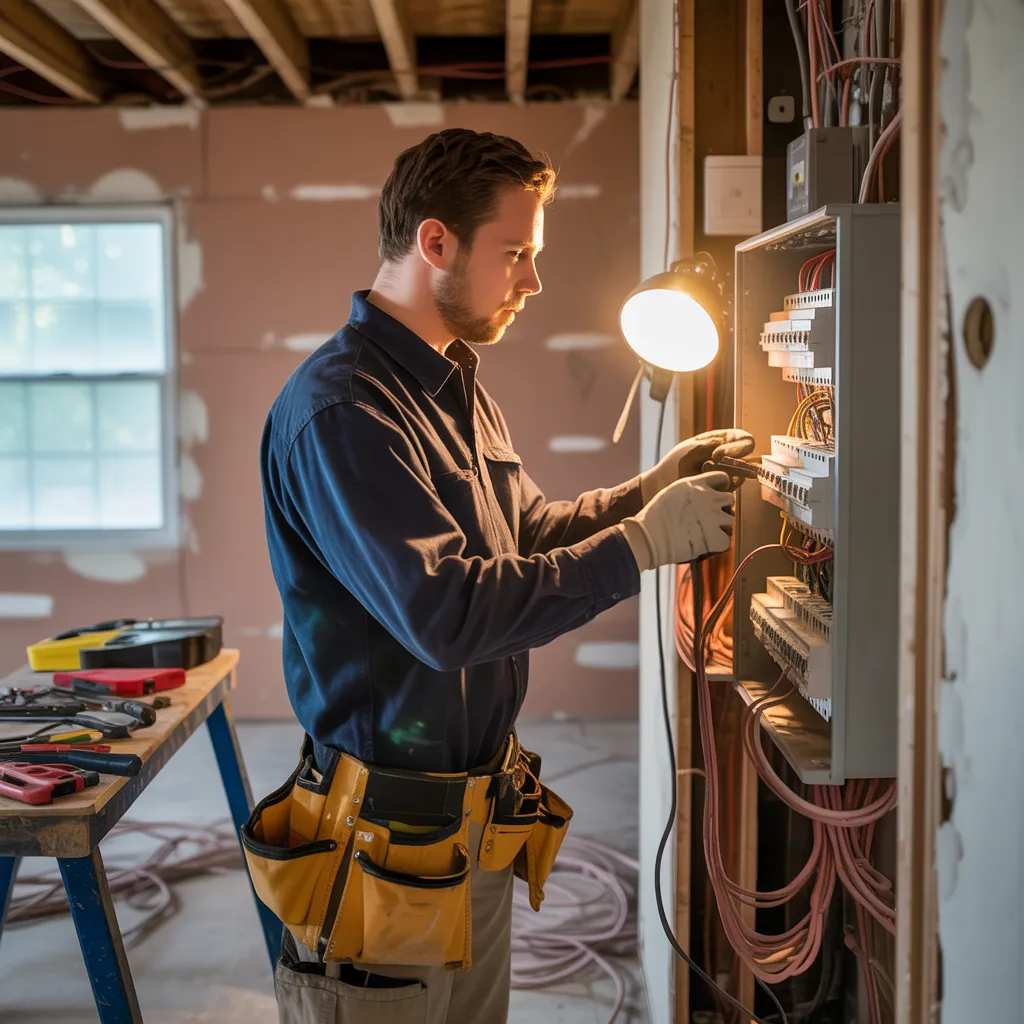
Understanding the Role of a General Contractor
A general contractor operates as the central figure in construction projects, orchestrating various aspects to secure successful execution. This role includes a wide range of responsibilities, such as project planning, scheduling, and coordination of subcontractors. The general contractor serves as the primary point of communication between clients, architects, and suppliers, making certain that all parties remain informed and aligned throughout the project lifecycle.
Beyond managing the workforce, the general contractor is charged with securing essential permits and following local building codes. They oversee budget management and resource distribution to ensure financial control and efficiency. Risk management is also a crucial component, as the general contractor must anticipate potential issues and implement solutions to reduce delays or cost overruns. Finally, the general contractor's proficiency and guidance directly affect the quality and timeliness of the construction project, making them an invaluable asset in achieving the client's vision.
Key Qualities to Evaluate in a Contractor
When choosing a contractor, it is necessary to give priority to key qualities that guarantee a successful partnership. First and foremost, effective communication is critical; a contractor should be able to clearly explain their vision, updates, and any challenges that arise during the project. Reliability is another essential trait; a dependable contractor follows timelines and commitments, guaranteeing that the project continues smoothly.
Additionally, skill in the exact type of work necessary can greatly impact the quality of the final outcome. A portfolio of previous work can showcase this expertise. Furthermore, a strong reputation, typically evidenced by positive reviews and testimonials, demonstrates a contractor's commitment to customer satisfaction. Ultimately, transparency in pricing and contracts fosters trust, allowing homeowners to understand the financial elements without hidden surprises. By prioritizing these key qualities, homeowners can select a contractor who fits their project goals and fosters a constructive working relationship.
Important Questions to Pose During Interviews
Selecting the right contractor requires not only recognizing key qualities but also engaging in a thorough interview process. During this stage, homeowners should prepare essential questions to gauge a contractor's suitability.
First, inquire about their background with similar projects, which can demonstrate their expertise and capability. It's also essential to ask for references from previous clients to evaluate their level of satisfaction. Homeowners should verify the contractor's credentials and insurance coverage, verifying compliance with legal requirements.
Additionally, talking about their project management approach can deliver insights into communication and efficiency. Homeowners should also investigate timelines and availability to ensure the contractor can meet project deadlines. Lastly, asking about their trusted subcontractors can reflect the quality of work expected throughout the project.
Analyzing Contractor Proposals and Bids
Reviewing contractor estimates and bids is a vital step in the renovation process, as it guarantees homeowners make informed financial decisions. To start, homeowners should compare multiple bids, ensuring they understand the scope of work outlined in each estimate. It's important to look for detailed breakdowns of costs, including labor, materials, and any additional fees, to identify discrepancies.
Homeowners must also consider the timelines offered by each contractor, as a lower bid may not be worthwhile given extended project delays. Outside of price, assessing the contractor's reputation and experience can supply insight into the quality of work anticipated.
Speaking with contractors about any vague aspects of their bids is likewise crucial, as transparency helps build trust. Finally, taking the time to thoroughly assess project estimates can avoid financial surprises and ensure a more seamless renovation experience.
Recommendations for Creating a Strong Working Relationship With Your Contractor
Developing a strong working relationship with a contractor can significantly enrich the renovation experience, as open communication and mutual respect form the foundation for collaboration. To develop this relationship, homeowners should set clear expectations from the beginning. Discuss project timelines, budgets, and specific goals to confirm alignment.
Regular check-ins can also help preserve open lines of communication. Homeowners should feel confident to ask questions and provide feedback, while contractors should be attentive to concerns and willing to discuss solutions. It is find details about essential to approach conflicts with a problem-solving mindset, recognizing that challenges may appear during any project.
In addition, displaying appreciation for the contractor's efforts can prove invaluable. Small gestures, such as recognizing their effort or providing refreshments on-site, can reinforce rapport. In the end, cultivating trust and respect will create a more successful partnership and a smoother renovation process.
Frequently Asked Questions
How Do I Search for Contractors Near Me?
To discover local contractors, you may look through online directories, seek recommendations from family members and friends, check community bulletin boards, and visit local hardware stores. Confirming licenses and reviews is equally essential for reliability.
What Licenses and Insurance Should a Contractor Have?
A professional contractor needs to have a valid license specific to their trade and carry general liability insurance, as well as workers' compensation coverage. These requirements protect both the contractor and homeowner from potential liabilities during a project.
What's the Best Way to Verify a Contractor's Work History?
To check a contractor's previous work, you should request references, assess online portfolios, read customer reviews, and visit completed projects whenever feasible. This guarantees an informed decision determined by the contractor's prior performance and reliability.
What's the Usual Payment Schedule for Contractors?
Generally, a contractor's payment schedule features an upfront deposit, followed by staged payments at predetermined milestones, and a final payment upon project completion. This structure secures accountability and aligns financial incentives throughout the project timeline.
Is Changing Contractors Mid-Project an Option?
It is possible for a homeowner to replace contractors mid-project if the situation demands it. Nevertheless, this choice requires careful consideration, taking into account possible timeline setbacks, extra expenses, and effects on work quality and project flow. Effective communication is critical throughout this transition.